DevOps Essentials: CI/CD Pipelines for Modern Apps
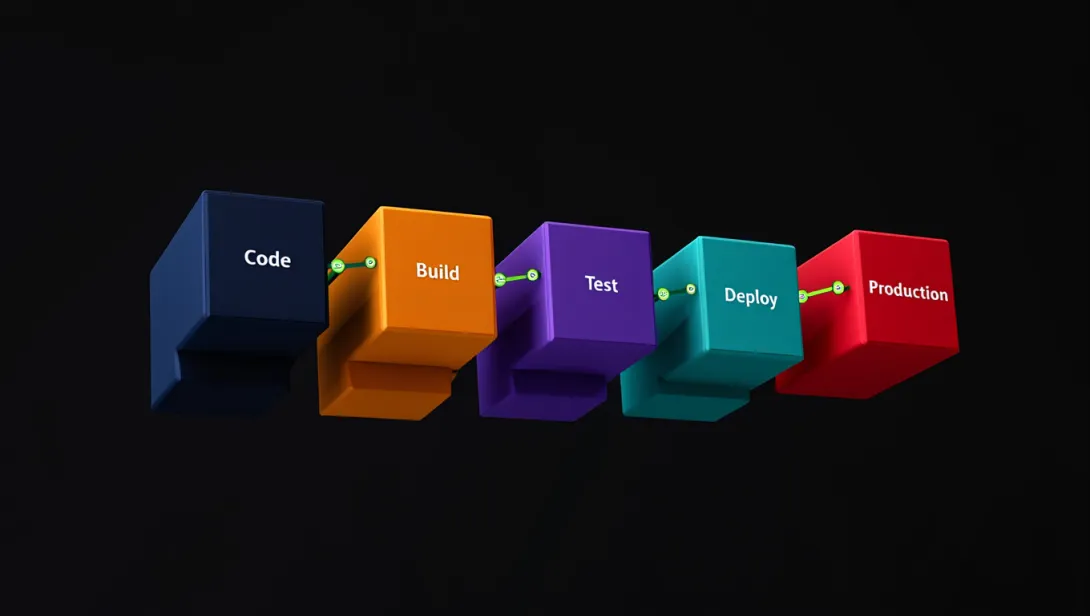
Automate your development workflow with continuous integration and deployment. We share our best practices.
In the rapidly evolving world of software development, DevOps has emerged as a crucial practice that bridges the gap between development and operations. It’s no longer just a buzzword — it’s a cultural and technical shift that enables organizations to build, test, and deploy applications faster and more efficiently. At the heart of this transformation lies Continuous Integration (CI) and Continuous Deployment (CD), collectively known as CI/CD pipelines. These automated workflows help modern development teams maintain code quality, accelerate delivery, and ensure a seamless user experience with every release. A CI/CD pipeline is essentially the engine that powers modern DevOps practices. Continuous Integration focuses on merging code changes frequently into a shared repository, where automated tests run to catch bugs early in the process. This ensures that new updates don’t break existing functionality and that code remains stable. Continuous Deployment, on the other hand, takes this a step further by automatically releasing approved builds to production environments, allowing teams to deliver new features or fixes to users almost instantly. Together, they create a powerful feedback loop that reduces manual intervention, minimizes downtime, and enhances collaboration between developers, testers, and system administrators. One of the key benefits of implementing CI/CD pipelines is speed without sacrificing stability. Traditional development cycles often involved lengthy manual testing and deployment processes, leading to delays and higher chances of human error. With automated pipelines, each code commit triggers a series of predefined actions — from building and testing to deploying and monitoring — ensuring that every change passes through a consistent quality gate. This automation not only saves time but also increases confidence in the reliability of every release. As a result, teams can focus more on innovation and less on maintenance. For modern applications, where agility, scalability, and reliability are non-negotiable, CI/CD plays a pivotal role in maintaining a competitive edge. Cloud-native platforms like AWS, Azure, and Google Cloud, along with tools such as Jenkins, GitLab CI, CircleCI, and GitHub Actions, have made it easier than ever to set up and manage pipelines that integrate seamlessly with existing workflows. Moreover, containerization technologies like Docker and orchestration tools like Kubernetes complement CI/CD pipelines by ensuring consistent environments across development, testing, and production stages. This combination allows organizations to deploy updates with confidence, scale applications dynamically, and recover quickly from potential issues. Beyond automation, DevOps and CI/CD pipelines foster a culture of continuous improvement. They encourage teams to adopt practices such as monitoring, feedback loops, and performance analytics — all of which contribute to better decision-making and faster adaptation to user needs. The ability to release small, incremental updates frequently means that customer feedback can be incorporated faster, leading to better products and happier users. In an era where speed and quality define success, this level of responsiveness is invaluable. In conclusion, adopting DevOps and CI/CD pipelines is no longer a luxury — it’s a strategic necessity for any organization building modern, scalable applications. By integrating automation, collaboration, and continuous feedback into the development process, startups and enterprises alike can achieve higher efficiency, reduced risk, and faster innovation. As the digital landscape continues to evolve, businesses that invest in robust DevOps practices will be the ones leading the future of software delivery.

Powering Digital Experiences with Drupal
Explore expert insights, tutorials, and innovations in Drupal — from custom module development to design, performance, and security best practices that help you build scalable digital solutions.
In a world where digital presence defines brand success, Drupal stands out as one of the most powerful and flexible content management systems (CMS) for building exceptional digital experiences. Known for its scalability, security, and customization capabilities, Drupal empowers organizations to create dynamic websites, enterprise portals, and content-rich platforms that adapt to complex business needs. Its modular architecture and robust API integrations make it ideal for delivering personalized, multilingual, and omnichannel experiences across devices. With its headless and decoupled capabilities, developers can pair Drupal with modern front-end frameworks like React or Next.js to craft seamless, high-performance digital ecosystems. Whether you’re managing a global enterprise site, government portal, or digital publication, Drupal provides the stability, flexibility, and innovation needed to power engaging user experiences that grow with your brand.